

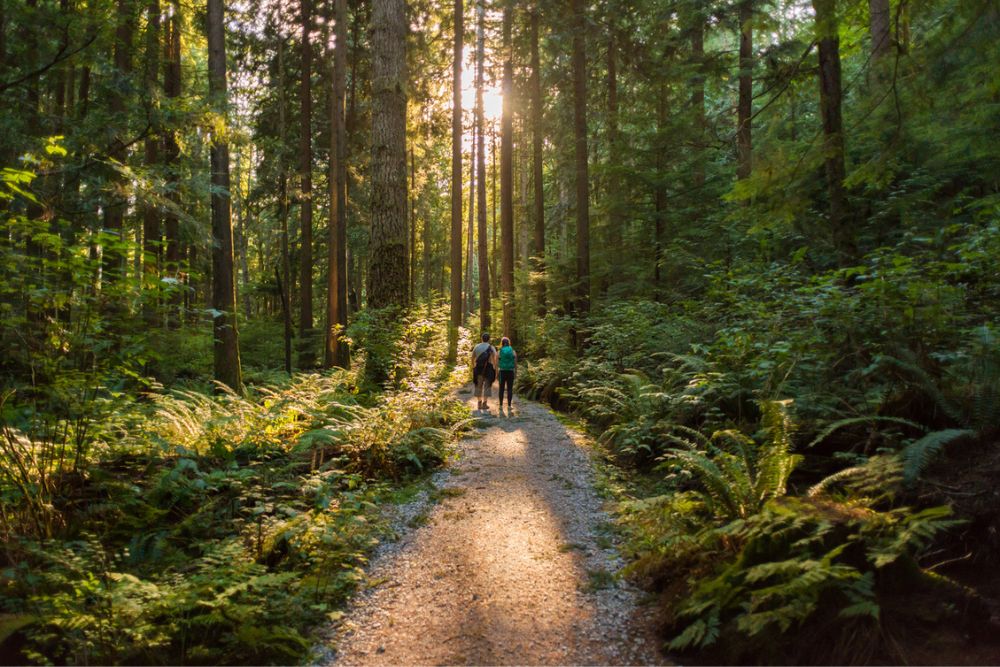
Wellness doesn’t always require a new routine, expensive gear, or another goal to check off a list. Sometimes, it begins by stepping outside. Forest bathing, also known as shinrin-yoku, offers a simple way to explore the connection between nature and wellbeing through unhurried movement, mindful observation, and a renewed appreciation for the world around you.
The practice originated in Japan, and despite its name, it doesn’t involve water or actual bathing. Instead, it means immersing yourself in a natural environment and experiencing it through your senses. Unlike a traditional hike, shinrin-yoku isn’t about reaching a destination, covering miles, or improving your fitness. You might walk slowly beneath the trees, sit beside a stream, observe wildlife, or simply notice the patterns of sunlight on the ground. This wellness hobby emphasizes being present rather than accomplishing something.
What Are the Benefits of Forest Bathing?
Exploring holistic approaches to wellness is a valuable part of supporting recovery from substance use disorder, alcohol use disorder, or mental health issues. While evidence-based treatment remains essential, complementary recovery practices such as mindfulness, forest bathing, and spending time outdoors help you manage everyday stress, reconnect with the present, and develop healthier ways to cope with difficult emotions. Here’s what some studies suggest.
Stress Relief and Relaxation
One of the most promising advantages of forest bathing is its potential to reduce stress. Research published in Environmental Health and Preventive Medicine examined forest experiences across 24 Japanese forests. Study leaders found that these environments were associated with lower cortisol levels, reduced pulse rates, lower blood pressure, and changes in nervous system activity consistent with relaxation. These findings suggest that spending time among trees may help your body shift away from the heightened alertness associated with everyday pressures.
A Potential Boost for Mood
Constant notifications, responsibilities, and competing demands can leave you mentally exhausted. Forest bathing offers an opportunity to redirect your attention toward uncomplicated sensory experiences, such as birdsong, rustling leaves, or the touch of a gentle breeze.
This change in focus may help ease mental fatigue and encourage a calmer state of mind. Research reviews report improvements in several mood measures following outdoor exposure, although results vary between studies. While forest bathing isn’t a guaranteed treatment for anxiety or depression, it can be a valuable addition to a broader wellness routine.
Support for Cardiovascular Health
Forest bathing may also benefit physical well-being. A systematic review and meta-analysis examined 20 trials involving 732 participants. The findings showed lower systolic and diastolic blood pressure in forest environments compared with nonforest settings.
As researchers continue to investigate these effects, forest bathing should complement—not replace—prescribed medication, professional medical advice, or mental health treatment.
6 Tips to Practice Forest Bathing
You don’t need remote wilderness, specialized equipment, or previous outdoor experience. A local woodland, nature preserve, or tree-filled park can provide a suitable setting.
- Choose a peaceful, accessible location. Find a place where you feel comfortable slowing down. Choose a safe route, check the weather, and wear appropriate footwear. A quiet green space can work if a forest isn’t nearby.
- Set aside distractions. Silence your phone and put away your fitness tracker if checking it pulls your attention away from the experience. Give yourself permission to stop measuring productivity, distance, and time.
- Begin with a few mindful breaths. Stand still or sit comfortably. Breathe naturally and notice the temperature of the air, the sounds around you, and how your body feels. There’s no need to force deep breathing or achieve a particular mental state.
- Explore your senses. Look closely at the shapes of leaves, the colors of different shrubs, and the movement of shadows. Listen for nearby birds and more distant sounds. Notice the scent of soil or pine needles and the sensation of the breeze against your skin. If it’s safe and appropriate, gently touch a leaf or tree without disturbing wildlife.
- Walk slowly and follow your curiosity. Move without choosing a destination or setting a pace. Stop when something catches your attention. Sit on a bench, observe a patch of moss, or watch clouds pass through the branches. Let curiosity guide you rather than feeling obligated to complete a particular route.
- Finish with a moment of reflection. Before leaving, consider how you feel compared with when you arrived. You might notice greater calm, a lighter mood, or simply an appreciation for something you hadn’t seen before. That said, there’s no right response, and even a short session can be worthwhile.
The Natural Beauty of Great Oaks
Forest bathing offers a simple reminder that well-being doesn’t always come from doing more. Sometimes, it comes from creating space to notice what’s already around you. Regular, intentional time outdoors may help you manage everyday stress, reconnect with the present, and approach life’s challenges with a fresh perspective. You don’t have to travel far or transform your schedule. Start with a quiet walk and give yourself time to experience the world at a slower pace.
Since 2014, Great Oaks Recovery Center outside of Houston, Texas, has provided evidence-based quality care for people with alcohol and substance use disorders and co-occurring disorders. Across 50 acres of historic Texas landscape, groves of our namesake majestic oaks rise into an endless sky. Once a crossroads hub for stagecoaches, freight trains, and river barges, the Great Oaks campus now represents a new kind of journey: one that leaves behind the complicated chaos of addiction. Reach out to our admissions team to learn how our board-certified professionals help you reconnect with what’s real—and with your true, healthy self.