

Post-traumatic stress disorder (PTSD) is often misunderstood, causing many people to struggle with painful symptoms while feeling ashamed or alone. Despite common misconceptions, PTSD isn’t a sign of weakness, a lack of resilience, or an inability to move forward. It’s a recognized mental health condition that can develop after trauma. Understanding PTSD, recognizing its symptoms, and knowing that effective treatment exists helps individuals and their families replace stigma with compassion and take meaningful steps toward recovery.
What Causes PTSD?
This condition affects people of any age, gender, background, or profession. Although it’s frequently associated with military combat, trauma takes many forms, including, but not limited to:
- Sexual assault
- Domestic violence
- Adverse childhood experiences
- Serious accidents
- Natural disasters
- Community violence
- Other frightening or life-threatening circumstances
Witnessing a disturbing event or repeatedly encountering traumatic details through professional responsibilities also contribute to PTSD.
According to the U.S. Department of Veterans Affairs’ National Center for PTSD, anyone can develop the condition, although not everyone who experiences trauma will. Trauma affects people differently depending on numerous factors such as:
- The severity of the event
- Previous experiences
- Available support
- Individual circumstances
PTSD may develop when the brain and body’s threat response systems remain on high alert after danger has passed. Memories, sounds, smells, or situations associated with the event often continue to trigger fear and stress. These reactions aren’t deliberate choices by someone: they reflect the lasting effects trauma can have on a person’s sense of safety and well-being.
Recognizing this distinction is essential to reducing ongoing stigma about the condition. Someone experiencing PTSD isn’t choosing to be anxious, withdrawn, angry, or fearful. They may be trying their best to navigate a world that no longer feels safe.
How Can You Spot PTSD Symptoms?
Since not everyone experiences trauma in the same way, signs of the condition vary considerably. Some people may have symptoms shortly after an event, while others have them emerge months—or even years—later. Generally, researchers point to four main categories.
1. Intrusive Memories and Re-Experiencing
People may have recurring, unwanted memories, distressing nightmares, or flashbacks that make the traumatic event feel as though it’s happening again. Trauma reminders—sometimes called triggers—provoke intense emotional or physical reactions, including a racing heartbeat, sweating, or panic.
2. Avoidance
A person may avoid places, people, conversations, activities, or situations that remind them of the trauma. For example, someone involved in a serious car accident might struggle to drive. Others may withdraw from relationships or keep themselves constantly busy to avoid painful memories.
3. Negative Thoughts and Emotions
Trauma frequently changes how people view themselves, others, and the world. Persistent guilt, shame, fear, sadness, emotional numbness, difficulty trusting, and loss of interest in previously enjoyable activities can occur. Unfortunately, some people blame themselves for events they couldn’t control.
4. Heightened Alertness and Reactivity
Someone with PTSD often feels continually on guard. Irritability, angry outbursts, exaggerated startle responses, difficulty concentrating, sleep disturbances, and reckless behavior may develop. These symptoms can affect work, school, family relationships, and everyday responsibilities.
PTSD also occurs alongside depression, anxiety, substance use disorders, and other mental health concerns. Some people use alcohol or drugs to temporarily numb distress, unintentionally creating additional challenges. Skilled treatment providers recognize these overlapping concerns and address the whole person rather than focusing on isolated symptoms.
Find the Support You Deserve at Great Oaks
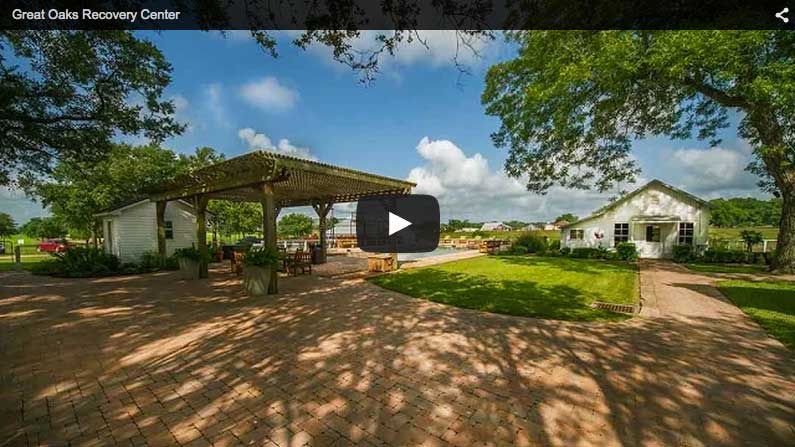
Although PTSD can be deeply disruptive, it’s treatable. Seeking help is a demonstration of self-awareness and courage, not failure. Since 2014, Great Oaks Recovery Center outside of Houston, Texas, has provided evidence-based, quality treatment for people with alcohol and substance use disorders and dual diagnosis disorders. Our board-certified medical professionals assess symptoms, consider other possible explanations, and recommend an individualized treatment plan.
We offer Tactical Recovery, a culturally competent and trauma-informed program designed to address trauma and PTSD experienced by Veterans and first responders. We also provide Bridge Care for immediate assistance until treatment in a VA facility is secured.
Our inpatient dual diagnosis services help people with co-occurring mental health and substance use concerns. By addressing these interconnected challenges together, you can work toward greater stability, develop healthier coping strategies, and achieve lasting recovery.
There’s no need to wait until life feels unmanageable to ask for help. If you or a loved one experiences PTSD symptoms that persist for more than a month, cause significant distress, or interfere with daily life, reach out to our admissions team to learn what we can do for you. PTSD doesn’t define your worth or determine your future. With compassionate, individualized care in a safe environment, healing is possible, and a purposeful life beyond trauma can begin.
If you feel unsafe or are thinking about harming yourself, seek immediate support. In the U.S., call or text 988 to reach the Suicide & Crisis Lifeline. Veterans and their loved ones can call 988, then press 1, or text 838255 to contact the Veterans Crisis Line.