

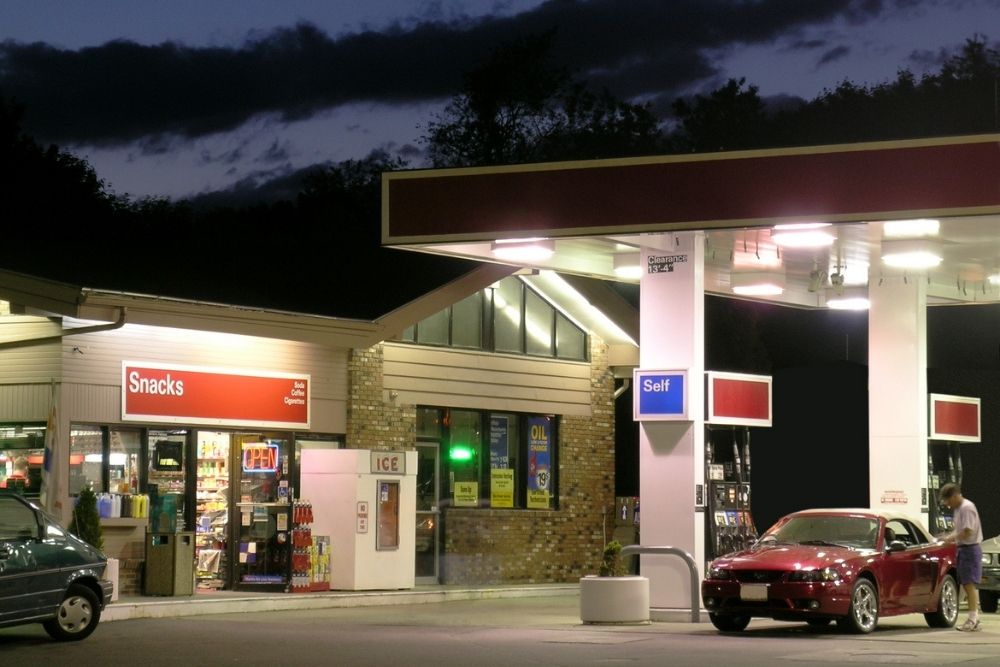
Across Texas, a person can encounter a product marketed as a supplement in places that have little to do with traditional medicine. Tianeptine, sometimes called “gas station heroin,” is sold at convenience stores, gas stations, vape shops, and online. Texas lawmakers have specifically raised concerns about tianeptine’s availability in the state. What may look like an ordinary wellness product can actually have powerful opiate-like effects—and repeated use often leads to dependence that’s difficult to overcome.
What Is Tianeptine?
The drug was developed as an antidepressant and is prescribed in some countries outside the U.S. However, it’s not approved by the U.S. Food and Drug Administration (FDA) for any medical use. Despite that, American consumers have encountered it in products marketed as dietary supplements, cognitive enhancers, or aids intended to improve mood, anxiety, or pain.
The FDA’s consumer warnings about tianeptine explain that the drug is available in pill, powder, and liquid forms. Products are marketed under various names, including Neptune’s Fix, Pegasus, TD Red, Tianaa, and ZaZa.
These products differ considerably in their formulations and concentrations, creating another risk: consumers may not know precisely how much tianeptine—or what other substances—they’re taking. Some products are also associated with additional compounds such as kratom, making their effects less predictable.
How Is Tianeptine Used?
The nickname “gas station heroin” stems from its opioid similarity and unconventional retail availability. People may initially take tianeptine because they believe it can help with anxiety, depression, pain, energy, or concentration. Others deliberately seek its calming effects. At high doses, the experience of tianeptine resembles opioids in the following ways:
- Euphoria
- Relaxation
- Sedation
- Pain relief
- Drowsiness
- Confusion
According to the FDA, reported U.S. consumers have taken amounts vastly exceeding doses used in countries where tianeptine is prescribed. Dangerous effects include vomiting, seizures, severe sedation, respiratory depression, coma, and death.
Why Can Tianeptine Become So Addictive?
One of the biggest problems with tianeptine is how quickly the effects wear off. The drug has a relatively short half-life—meaning it leaves your body quickly. For some people who misuse it, this encourages a pattern of taking repeated doses throughout the day to maintain the desired effect or prevent withdrawal.
As tolerance develops, the same amount may no longer produce the desired response. Someone may take more, use it more frequently, or become increasingly focused on having the drug available.
There’s another important distinction: dependency shifts the reason someone takes the drug. Early on, tianeptine may be used because they enjoy how it makes them feel. However, over time, the motivation is more about avoiding what happens when they don’t take it. This creates a dangerous cycle of tianeptine misuse:
- The drug’s effects wear off.
- Cravings or withdrawal symptoms begin.
- The person takes more tianeptine for relief.
- Repeated use increases tolerance and dependence.
- The cycle becomes increasingly difficult to interrupt.
Withdrawal can begin within hours of the last dose and may peak during the first couple of days. Reported symptoms include anxiety, agitation, insomnia, sweating, muscle aches, nausea, diarrhea, and intense cravings.
For some people, the fear of these and other drug withdrawal symptoms becomes a powerful reason to continue using. This is one primary reason tianeptine dependence is difficult to overcome without professional assistance. Someone may understand that the drug is harming them while simultaneously feeling physically and psychologically driven to take it.
What Happens During Tianeptine Heroin Withdrawal?
Once regular use is interrupted, people may quickly develop symptoms that closely resemble those seen when opioids are discontinued. They include, but aren’t limited to:
- Anxiety and agitation
- Insomnia
- Sweating
- Tremors
- Nausea and vomiting
- Diarrhea
- Muscle aches
- Rapid heartbeat
- Strong cravings
These and other symptoms make trying to quit without professional guidance are especially challenging for someone who has developed an addiction to gas station heroin.
Turn to Great Oaks to Break the Cycle
Tianeptine demonstrates why availability doesn’t equal safety. A product sold beside snacks, drinks, or other convenience-store merchandise can still have potent opioid-like effects and a dangerous potential for dependence.
Since 2014, Great Oaks Recovery Center outside of Houston, Texas, has been committed to helping individuals pursue meaningful recovery, with an emphasis not only on outcomes but also on ensuring that people feel understood, acknowledged, and supported. Anyone struggling to stop using tianeptine shouldn’t assume they have to handle it alone. Our board-certified addiction treatment professionals provide medical oversight, address cravings and withdrawal, and help treat the underlying issues that may contribute to substance use. Recovery is possible—talk to a member of our admissions team today to learn how we’ll help you achieve it.