

Hobbies are often underestimated. They’re treated as optional activities—something you do if you have extra time or energy. But if you’re managing mental and emotional stability or addiction recovery, hobbies might be a cornerstone of healing. They don’t just pass the time—they actively rebuild your brain, regulate emotions, and restore your body in ways that science is only beginning to fully understand.
Hobbies as a Tool for Rebuilding a Healthy Brain
Research shows that engaging in enjoyable activities activates the brain’s natural reward pathways and improves overall well-being. A large study summarized by Harvard Health Publishing found that people who regularly participate in hobbies report better mood, fewer depressive symptoms, and higher life satisfaction.
Even more importantly, hobbies provide consistent, healthy stimulation. A 2025 review on hobbies and mental health highlights that hobbies support personal growth, reduce stress, and strengthen social connection—all key components in long-term recovery.
For someone healing from addiction or mental and emotional disorders, this means hobbies don’t just distract—they actively help retrain the brain to experience joy.
How Do Hobbies Provide Mental Health Benefits?
One of the most immediate benefits of hobbies is improved mental health. Studies show hobbies can:
- Reduce symptoms of depression and anxiety.
- Improve concentration and memory.
- Increase overall psychological resilience.
According to UCLA Health research, people who engage in hobbies consistently report higher levels of happiness and lower levels of stress and anxiety. Mentally engaging hobbies—such as puzzles, reading, or learning new skills—also improve cognitive performance and help protect against decline over time.
If you’re in addiction recovery, these benefits matter deeply. Early sobriety often includes racing thoughts, difficulty concentrating, and emotional overwhelm. Hobbies provide a healthy anchor—something to focus on that gradually strengthens attention and mental clarity.
What Emotional Health Benefits Do Hobbies Support?
Whether you’re dealing with mental health issues or addiction, there’s often a loss of identity. Many people ask, “Who am I?” and “When will I feel like myself again?” Pleasurable pastimes help answer these and other questions because they:
- Reestablish your sense of self.
- Provide emotional outlets.
- Create feelings of accomplishment.
Engaging in meaningful activities has been shown to improve self-efficacy and reduce negative emotions like boredom and hopelessness—two of the most common relapse triggers.
Hobbies also help regulate emotions. Whether it’s painting, journaling, playing music, or other forms of creative expression, these outlets allow people to process feelings safely instead of suppressing them. Over time, this builds emotional resilience—the ability to experience discomfort without turning to substances or other maladaptive behaviors.
Healing the Body and the Mind
Recovery isn’t just mental—it’s physical. Many hobbies directly support your body’s recovery process. Physically active hobbies can:
- Improve cardiovascular health.
- Enhance sleep quality.
- Increase energy and reduce fatigue.
Activities that involve movement help prevent conditions like high blood pressure, diabetes, and obesity while improving brain health and sleep.
There’s also a neurological benefit: physical activity increases dopamine production naturally. This is especially important in recovery, where restoring healthy dopamine function is a key part of long-term healing.
How Do Hobbies Rebuild Connection and Belonging?
Group-based activities—such as volunteer work, classes, or clubs—help:
- Reduce loneliness.
- Build supportive relationships.
- Improve accountability.
Connection is one of the strongest predictors of recovery success and mental and emotional stability. Hobbies make it easier to meet people in low-pressure, shared-interest environments.
Need Some New Hobby Ideas?
Not all hobbies impact your health in the same way. The most effective ones tend to combine engagement, enjoyment, and growth. If you’re looking for different activities to try, the following are just a few options.
Urban Foraging or Nature Collecting
- Encourages mindfulness and curiosity
- Promotes time outdoors
- Builds a sense of discovery
This type of hobby engages both the brain and body while reconnecting you with nature.
Improvisational Theater or Storytelling
- Builds confidence and emotional expression
- Encourages presence and spontaneity
- Strengthens social skills
Great for people rebuilding identity and learning to be comfortable in their own voice.
Metal Detecting or Treasure Hunting
- Combines physical movement with anticipation
- Activates reward pathways naturally
- Provides small, consistent excitement
This taps into your brain’s desire for novelty without harmful consequences.
Learning a Language
- Strengthens memory and cognitive flexibility
- Builds long-term goals and discipline
- Encourages cultural curiosity
Mentally demanding hobbies like this improve brain function and focus over time.
Animal Care or Volunteering at Shelters
- Builds empathy and emotional connection
- Provides routine and responsibility
- Reduces stress and loneliness
Caring for another living being can be deeply grounding and therapeutic.
Find More Resources for Better Health at Great Oaks
You don’t need to find the “perfect” hobby. The real benefit comes from consistency and genuine interest. Try something new, stay curious, and allow yourself to enjoy the process. Because healing isn’t just about what you leave behind—it’s about what you choose to build.
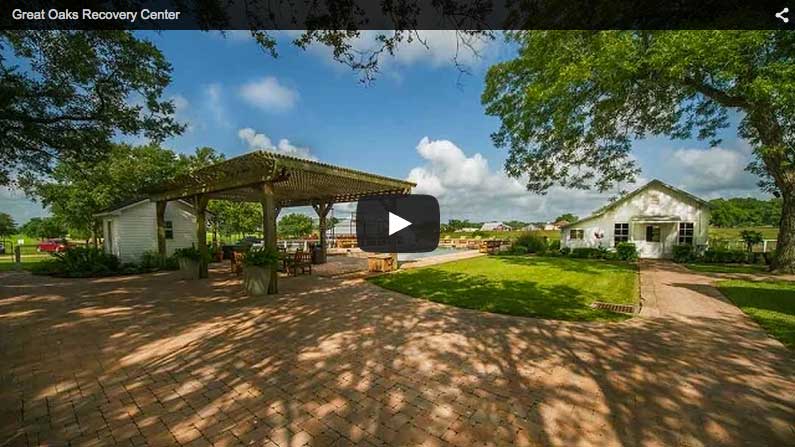
At Great Oaks Recovery Center outside of Houston, Texas, our board-certified professionals believe that each person can thrive when they choose certain management methods that speak to their unique mental and emotional health needs. Through our personalized continuum of care plans, we aim to find the right ones for you. Talk to a member of our admissions team to learn more.